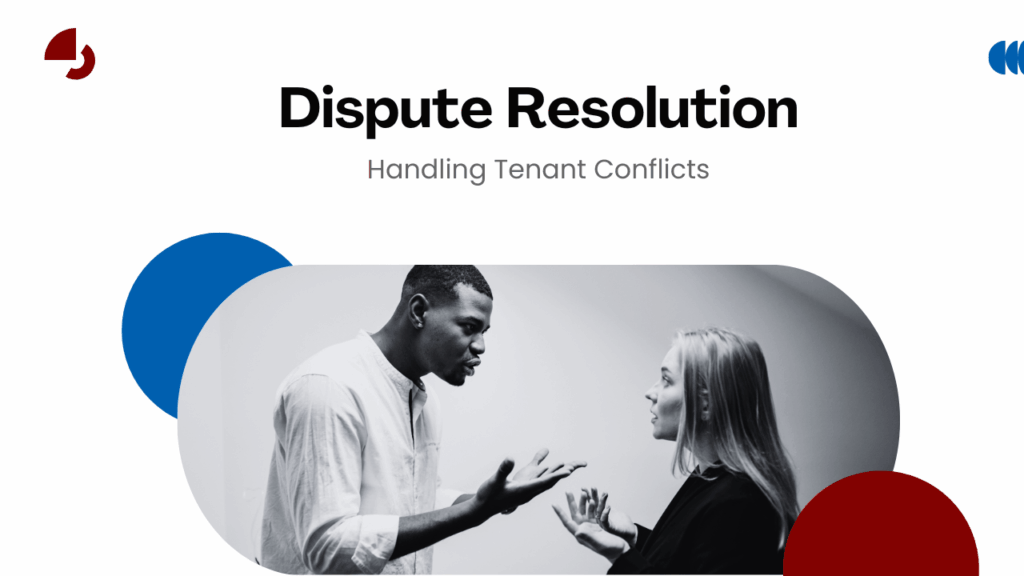
What happens when a disagreement between you and your tenant threatens to derail what was once a smooth rental relationship?
For Bay Area landlords and real estate investors, tenant disputes can arise even in the best-managed properties. Whether it’s a disagreement over repairs, late rent, noise complaints, or a misunderstanding about lease terms, conflicts can escalate quickly if they’re left unchecked, and cost both sides time, money, and peace of mind.
As property management experts, we’re always looking to avoid conflicts. We focus on identifying opportunities for prevention, communication, and resolution before conflicts turn into court cases.
Let’s talk about how property owners can prevent tenant conflicts from arising, manage disputes effectively when they occur, and use local resources to resolve them amicably.
Our Overview:
|
Understanding the Roots of Tenant Conflicts
In a market as competitive and diverse as those in the Bay Area, tension between landlords and tenants often stems from simple miscommunication. The most common causes include:
- Maintenance and repairs. Disagreements about who is responsible for fixing an issue, or how quickly it should be done.
- Rent and payment issues. Late payments, partial payments, or confusion about rent increases.
- Noise or nuisance complaints. Especially common in multi-unit buildings or mixed-use neighborhoods.
- Security deposit disputes. Differing expectations about what counts as “normal wear and tear.”
- Lease misunderstandings. Ambiguity about pet policies, subletting, or guest limits.
Understanding these triggers is the first step to preventing them. Most conflicts are not about malice. They’re about expectations. A proactive, transparent approach helps establish and align those expectations before problems arise.
Preventing Disputes Before They Start
Property owners need to look for good ways to minimize tenant conflicts and disputes. Here are some of our best ideas:
- Draft Clear, Comprehensive Lease Agreements
The lease is your first line of defense. A vague lease invites confusion and future conflict. A clear, thorough lease sets expectations from day one. Key clauses to emphasize include maintenance responsibilities, communication protocols, rent and late fees, and standards for noise and guests. Have a clear pet policy.
A good lease agreement will even include a dispute resolution clause, so tenants know how to proceed if there’s something wrong. Consider including a mediation or arbitration clause to encourage resolution outside of court. The lease agreement is an excellent way to establish expectations and share responsibilities. You and your tenant should be on the same page before the lease even begins.
Regularly review your lease with a property manager, especially as California landlord-tenant laws evolve frequently, from rent caps to security deposit regulations. We can take a look at your current lease and make some recommendations on how to make it stronger.
- Set the Tone Early with Effective Move-Ins
First impressions matter. A tenant onboarding process isn’t just about handing over the keys. It’s about building a relationship based on trust and mutual respect. During move-in, take time to walk through the property and document its condition with photos. Explain how to report maintenance issues and what kind of response time to expect.
Review key lease clauses verbally with your tenants to confirm understanding. Provide contact information for emergencies.
This initial meeting humanizes both sides. When tenants see their landlord as responsive and professional, they’re far less likely to let small frustrations fester.
- Prioritize Preventive Maintenance
Few things trigger tenant frustration faster than neglected repairs. Staying ahead of those inevitable maintenance issues is crucial.
Schedule regular property inspections and proactively address minor issues. Preventive maintenance not only keeps tenants happy but also protects your investment. Proactive landlords save themselves from both expensive repairs and unnecessary disputes.
Practice Transparent Communication
Transparency builds trust, and communication is essential in both avoiding and managing conflict. When rent increases, repairs, or renovations are coming, communicate early and clearly.
If a repair will take longer than expected, let the tenant know why. If a new city ordinance requires changes to utilities or recycling practices, explain the details in writing.
The Bay Area’s rental climate, where housing costs are high and regulations are complex, demands openness. Tenants who feel informed are less likely to feel mistreated or blindsided.
Managing Disputes When They Arise
Even with the best preparation, disagreements can still happen. The key is to address them early, calmly, and collaboratively. Sounds over-simplified. We get it. But try these strategies.
- Listen Before Reacting
When a tenant raises a complaint, your first response should be to listen without defensiveness.
Allow them to explain their perspective fully before offering solutions. This not only helps you understand the root issue but also shows respect, which is an underrated but powerful de-escalation tool. In many cases, tenants just want to be heard. Once they feel acknowledged, they’re more likely to accept a reasonable compromise.
- Document Everything
Maintain a paper trail from the first sign of conflict. Keep records of tenant texts and emails, the responses you provide, and any photos, inspection reports, or notes. Documentation protects you if the dispute escalates to mediation, arbitration, or small claims court. More importantly, it keeps conversations factual rather than emotional.
- Seek Win-Win Solutions
California law tends to favor tenants in many procedural respects, but that doesn’t mean landlords have no leverage. The best approach is collaborative problem-solving. Ask yourself if you can address the tenant’s concern in a cost-effective way or if there’s a middle ground that satisfies both parties. Small concessions can prevent costly vacancies and legal battles.
- Avoid Escalation
It’s easy for frustration to boil over when you feel disrespected or wronged. But escalating through threats, withholding services, or “self-help” evictions is both illegal and counterproductive.
Instead, stay professional and composed. If a conversation becomes heated, take a pause and return to it later with a clear head.
Leveraging Mediation and Local Resources
The Bay Area offers a variety of community-based and municipal dispute resolution services designed to help landlords and tenants avoid court altogether. These services allow both sides to meet with a neutral third party who helps facilitate resolution. Mediation is voluntary, confidential, and faster than court proceedings. It also helps preserve relationships, especially important for landlords managing multiple units or long-term tenants.
If mediation doesn’t solve the problem, arbitration is the next step short of litigation. In arbitration, both parties present their case to a neutral arbitrator who issues a binding (or sometimes non-binding) decision.
While more formal than mediation, arbitration is typically cheaper and faster than court, and many Bay Area leases already include arbitration clauses.
For smaller disputes, such as damage charges or unpaid rent under $12,500, California’s small claims court provides a relatively accessible forum.
While landlords can’t use lawyers in small claims, the process is designed for laypeople and often resolves within weeks. Still, view litigation as a last resort. Even if you win, you risk losing valuable time, energy, and future goodwill.
Learning from Each Conflict
Every dispute, even the unpleasant ones, is a chance to improve your property management practices. After resolving a conflict, whether it’s minor or complicated, ask yourself:
- Could this have been prevented with clearer communication or a better lease clause?
- Do I need to adjust how I handle maintenance or rent collection?
- Should I invest in property management software or professional help?
Over time, a pattern may emerge, and these are important to follow. Perhaps certain properties, tenants, or procedures cause recurring issues. Use that insight to refine your systems and reduce future risk.
Consider Professional Bay Area Property Management
If managing tenant relationships has become stressful or time-consuming, hiring a professional property management company can be a worthwhile investment. Professional property managers like us specialize in:
- Tenant screening and onboarding
- Rent collection and accounting
- Maintenance coordination
- Legal compliance and dispute resolution
We act as a buffer between landlord and tenant, handling communication professionally and objectively.
Disputes between landlords and tenants often feel inevitable, but we don’t believe the relationship has to be inherently flawed or antagonistic. The way you prepare for and handle those conflicts makes a difference.
By emphasizing clear communication, well-drafted leases, and preventive maintenance, you can avoid most conflicts before they begin. When issues do arise, a calm, professional approach, backed by solid documentation and knowledge of local resources, can resolve them quickly and amicably.
Do you want to win every dispute, or do you want to focus on preventing them? Successful rental property owners prioritize stable, respectful landlord-tenant relationships, or entrusting their property managers to those relationships.
 There’s no need to preoccupy yourself with solving problems that we already know how to avoid. Let’s talk about a better path forward. Contact us at Sharevest Property Management.
