How can rental property owners identify small problems before they turn into costly repairs, lease disputes, or liability concerns?
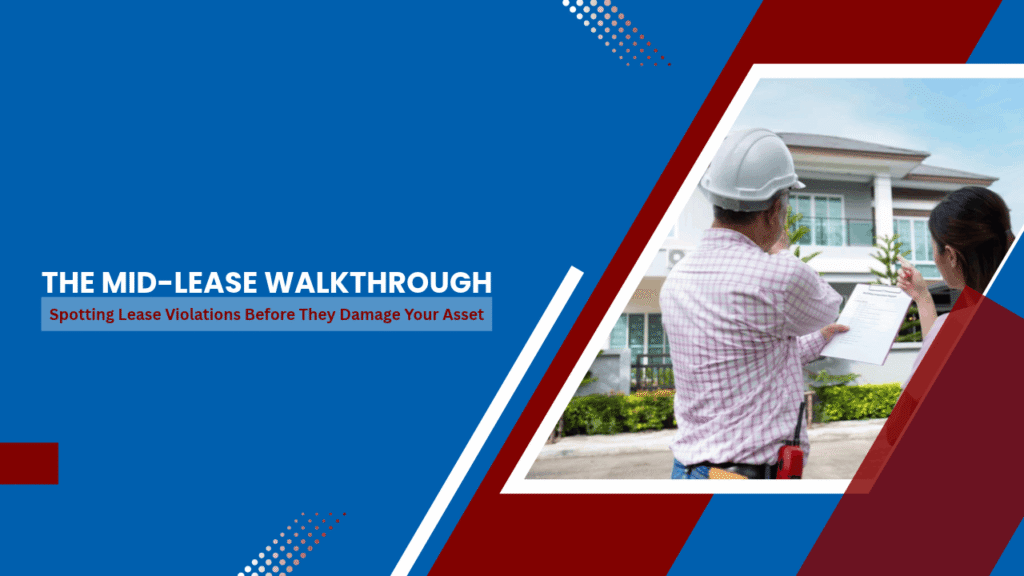
We recommend the mid-lease walkthrough. While many landlords focus heavily on move-in and move-out inspections, a properly conducted mid-lease property walkthrough provides an opportunity to verify lease compliance, identify maintenance concerns early, and protect the long-term condition of a rental property.
When performed professionally and in accordance with California law, these inspections can help property owners address issues before they escalate into expensive damage or complicated resident conflicts.
Our Overview:
|
What Is a Mid-Lease Walkthrough?
A mid-lease walkthrough is an inspection conducted while residents are actively occupying the rental property. Unlike move-in and move-out inspections, which establish and document the condition of the property at the beginning and end of a tenancy, a mid-lease walkthrough focuses on the property’s current condition and identifying potential concerns before they become serious problems.
Typically, these inspections occur annually. The exact timing varies based on the property’s needs, management practices, and applicable legal requirements.
Why Mid-Lease Walkthroughs Matter
Many lease violations and maintenance problems develop gradually. Without periodic inspections, owners may remain unaware of concerns until significant damage has already occurred.
- Consider a small unauthorized plumbing modification. At first glance, it may appear harmless. However, if improperly installed, it could eventually lead to leaks, water damage, mold growth, or structural issues.
- Similarly, unauthorized occupants, prohibited pets, or neglected maintenance concerns may seem minor initially but can become substantial problems over time.
Mid-lease walkthroughs help create visibility into the property’s condition and provide opportunities for corrective action before the situation worsens. Lease violations are serious, and owners need to seize on any opportunity to identify them.
Common Lease Violations That Walkthroughs Can Reveal
Not every lease violation results in property damage, but many have the potential to create financial risk or liability for property owners. Here are the lease violations we run into most frequently when walking through an occupied property.
- Unauthorized Occupants
One of the most common lease violations involves individuals living at the property who are not listed on the lease agreement. Additional occupants may affect wear and tear on the home and liability exposure. You have not screened these individuals, and that’s the biggest risk. A walkthrough may reveal evidence that additional individuals are residing in the unit beyond those approved during the application process.
If unauthorized occupancy is discovered, property owners should follow the procedures outlined in the lease agreement and comply with all applicable California landlord-tenant laws.
- Unauthorized Pets
Pets can be wonderful companions, but unauthorized animals can create concerns ranging from property damage to insurance complications. Signs of unauthorized pets may include pet food or supplies, scratching damage, and excessive odors.
It’s important to approach these situations carefully and consistently while recognizing that service animals and assistance animals are subject to different legal considerations than household pets.
- Unauthorized Alterations
Residents sometimes make changes to a property without obtaining approval. They might paint walls or install shelves or replace fixtures. Maybe the landscaping has been modified or you don’t recognize the appliances. While some modifications may appear minor, others can create repair costs or code compliance concerns.
A mid-lease inspection provides an opportunity to identify unauthorized alterations before they become permanent problems.
- Excessive Occupancy
Excessive occupancy can increase wear on the property and may create safety concerns depending on the circumstances. While owners must always comply with fair housing laws and occupancy regulations, inspections may reveal situations where occupancy levels exceed lease provisions or applicable standards.
- Prohibited Activities
Some lease agreements restrict activities that could damage the property or disturb neighboring residents. Examples may include operating unauthorized businesses, storing hazardous materials, or creating excessive noise disturbances. Addressing these concerns promptly can help reduce future risks.
Identifying Maintenance Problems Early
While lease compliance is important, one of the greatest benefits of a mid-lease walkthrough is identifying maintenance issues before they become major repairs. If your lease requires tenants to report maintenance issues promptly and you discover a lot of deferred and unreported maintenance needs, that’s a lease violation, too. Here’s what to look for.
- Water Leaks. Water damage remains one of the most expensive and destructive problems in residential properties. During a walkthrough, owners or property managers may discover leaking faucets, water stains, mold, or plumbing concerns. Addressing these issues early can prevent thousands of dollars in future repair costs.
- HVAC Concerns. Residents may not always report heating or cooling issues immediately. A walkthrough allows owners to identify dirty filters, poor airflow, and thermostat issues. Routine attention can improve system performance and extend equipment lifespan.
- Appliance Problems. During inspections, we can look for water leaks around appliances, unusual noises, improper operation, and signs of neglect. Early intervention often prevents more significant breakdowns.
- Safety Hazards. Walkthroughs may reveal hazards that need prompt attention, including loose railings, electrical concerns, damaged smoke alarms, tripping hazards, or broken locks.
Protecting Your Investment from Neglect
Most residents take excellent care of their homes. However, some maintenance concerns result from neglect rather than intentional damage. Examples include:
- Excessive clutter
- Poor housekeeping conditions
- Pest-attracting conditions
- Failure to report leaks
- Improper ventilation practices
When these situations are identified early, owners can often work collaboratively with residents to address concerns before permanent damage occurs. The goal should always be preserving the property’s condition rather than creating unnecessary conflict.
Document Your Findings
A mid-lease walkthrough is only as valuable as the documentation that accompanies it. Owners and property managers should maintain thorough records that include:
- Inspection dates
- Photographs
- Written observations
- Maintenance recommendations
- Resident communications
- Follow-up actions
Consistent documentation helps establish a clear record of property conditions and can be valuable if disputes arise later. Photographs should be dated and stored securely as part of the property’s management records.
California Compliance Considerations
California rental housing laws place significant emphasis on resident privacy rights. Property owners should always understand and comply with applicable state and local requirements regarding property entry, notice procedures, and inspections.
Before scheduling a walkthrough, owners should:
- Review lease provisions
- Verify legal notice requirements
- Ensure entry purposes are permissible
- Document communications
- Consult qualified legal counsel when necessary
Following proper procedures protects both the property owner and the resident. Contact us at Sharevest Property Management if you want to inspect but you’re hesitant about the liability and unsure of the law.
Turn Inspections Into Relationship-Building Opportunities
Mid-lease walkthroughs do not have to be adversarial. In fact, they often provide valuable opportunities to strengthen resident relationships. Provide plenty of notice and make sure you discuss this eventual inspection with tenants before they move in. That way, it’s not a surprise.
We use these inspections to enjoy some in-person, one-on-one time with our tenants. We can hear any concerns they may have and talk about their comfort and satisfaction.
This can contribute to higher renewal rates and better long-term tenancy outcomes.
Creating a Consistent Inspection Program
The most effective inspections are part of a broader property management strategy. Rather than conducting inspections only when concerns arise, many successful property owners establish a regular schedule. We can help with this, and the benefits include:
- Earlier problem detection
- Better documentation
- Reduced repair costs
- Improved resident expectations
- Greater lease compliance
- Stronger asset protection
When residents understand that inspections are a routine part of property management, the process often becomes smoother and more predictable.
Frequently Asked Questions

How often should rental property owners conduct mid-lease walkthroughs?
Many owners conduct inspections annually or several months after move-in, though the appropriate frequency depends on the property, lease terms, and applicable laws.
Can landlords enter a rental property whenever they want?
No. California law generally requires proper notice and a legally permissible reason for entry. Owners should always follow applicable legal requirements.
What should owners look for during a walkthrough?
Common inspection areas include maintenance issues, water leaks, safety hazards, unauthorized occupants, unauthorized pets, and other potential lease violations.
Should photos be taken during inspections?
Yes, always. Photographs can be valuable documentation when used appropriately and maintained as part of the property’s records.
What happens if a lease violation is discovered?
Owners should follow the procedures outlined in the lease agreement and applicable California law, while documenting all communications and actions taken. You’ll want to put the violation in writing and give tenants time to come into compliance before taking any further action.
Let’s talk about inspections and enforcing your lease agreement. Contact us at Sharevest Property Management.
